
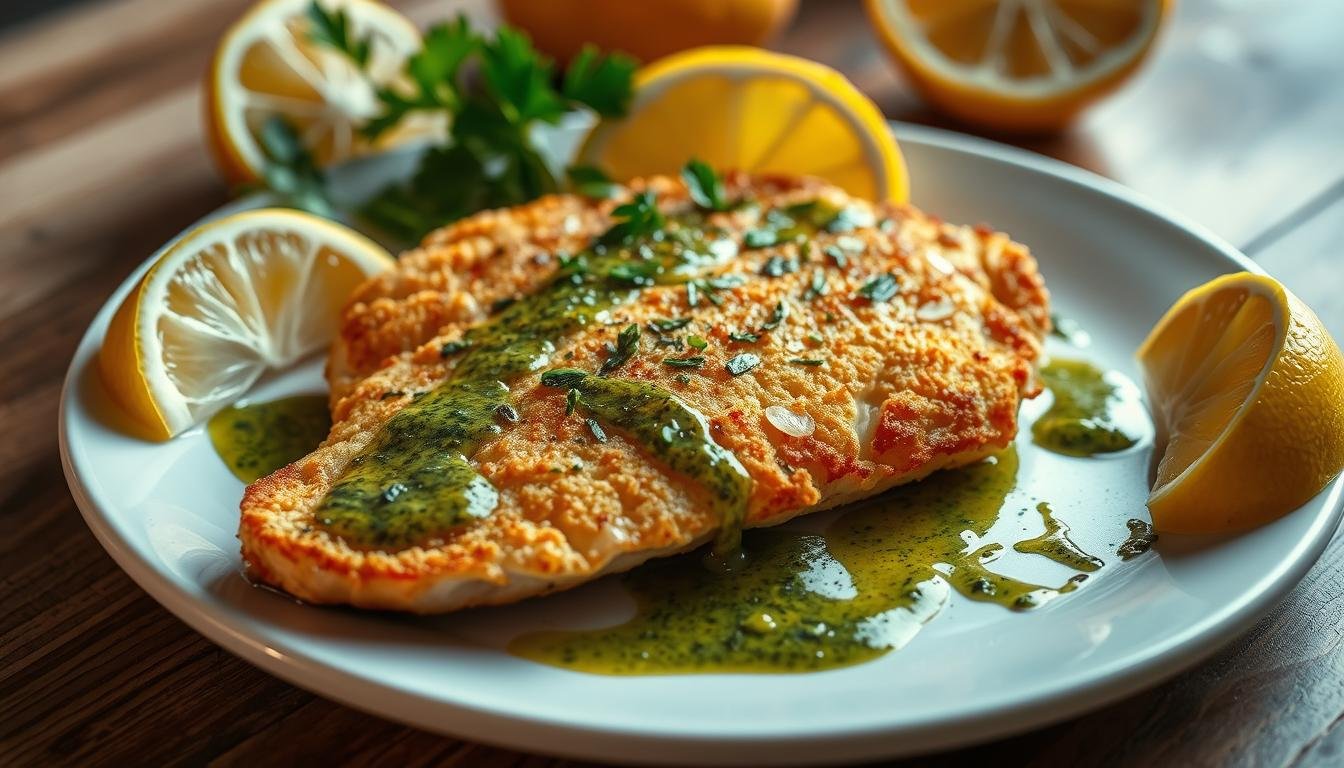
Chicken Milanese Recipe: How to Make the Perfect Crispy Italian Classic
Every time I smell the sizzling golden crust of a chicken Milanese recipe, I’m taken back to my grandmother’s kitchen in Florence. Watching her turn simple ingredients into a masterpiece still makes my mouth water. If you’ve ever wondered what chicken Milanese is, you’re about to start a delicious journey through Italy’s favorite dish.
Chicken Milanese is the essence of Italian home cooking – simple, elegant, and full of flavor. This Northern Italian classic turns a plain chicken cutlet into a crispy, mouth-watering delight. It will take your taste buds straight to Milan. Whether you’re an experienced cook or new to the kitchen, this recipe will become your new comfort food.
The magic of this dish is in its simplicity. A tender chicken cutlet pounded thin, coated in crispy breadcrumbs, and fried to golden perfection. Paired with a fresh arugula and cherry tomato salad, it’s a meal that celebrates Italian culinary traditions. Get ready to learn how to make restaurant-quality chicken Milanese in your own kitchen.
Table of Contents
Understanding the Classic Italian Chicken Milanese
Chicken Milanese is a beloved dish from Milan, Italy. It’s a simple yet elegant dish that turns a chicken breast into a crispy, golden treat. It has won the hearts of food lovers all over the world.
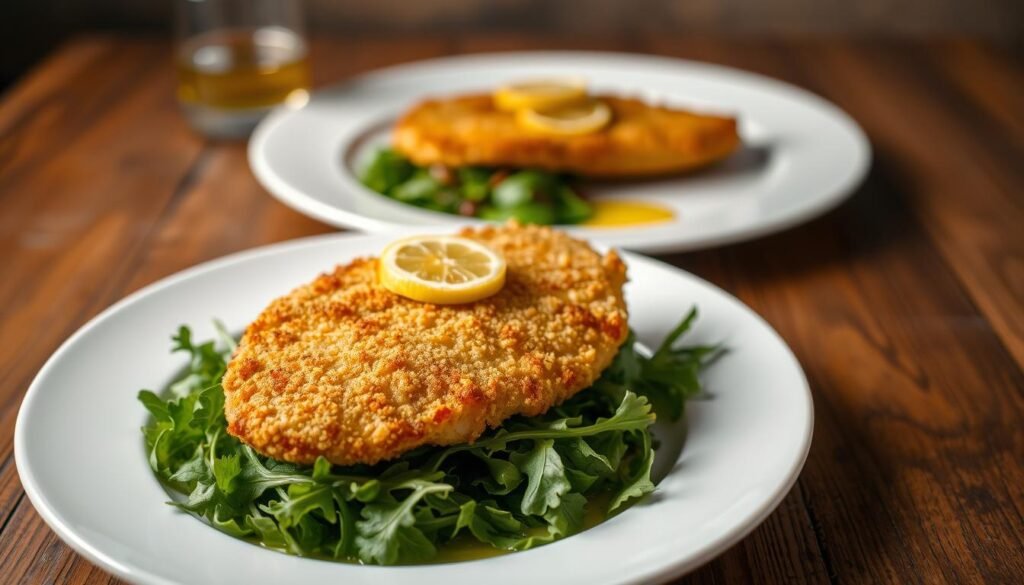
Chicken Milanese is different from other breaded chicken dishes. It has a unique way of preparing and serving chicken.
Origin and History of the Milan-Style Chicken
The dish comes from Milan, where chefs made thin, crispy chicken cutlets. Italian cooking is all about using simple, high-quality ingredients. This is what makes Chicken Milanese so special.
Distinctive Characteristics of Chicken Milanese
- Thin, evenly pounded chicken breast
- Light, crispy bread coating
- Served without heavy sauces
- Traditionally accompanied by a fresh lemon wedge
Traditional Italian Preparation Methods
Making Chicken Milanese is a detailed process. It involves cutting, pounding, and breading the chicken. This makes the chicken thin and crispy.
| Preparation Technique | Key Details |
|---|---|
| Chicken Cutting | Butterfly and pound to 1/4 inch thickness |
| Breading | Coat in seasoned breadcrumbs |
| Cooking Method | Pan-fry in olive oil until golden |
Chicken Milanese is known for its simple yet elegant taste. It’s perfect for any meal, from a family dinner to a fancy restaurant.
Essential Ingredients for the Perfect Chicken Milanese
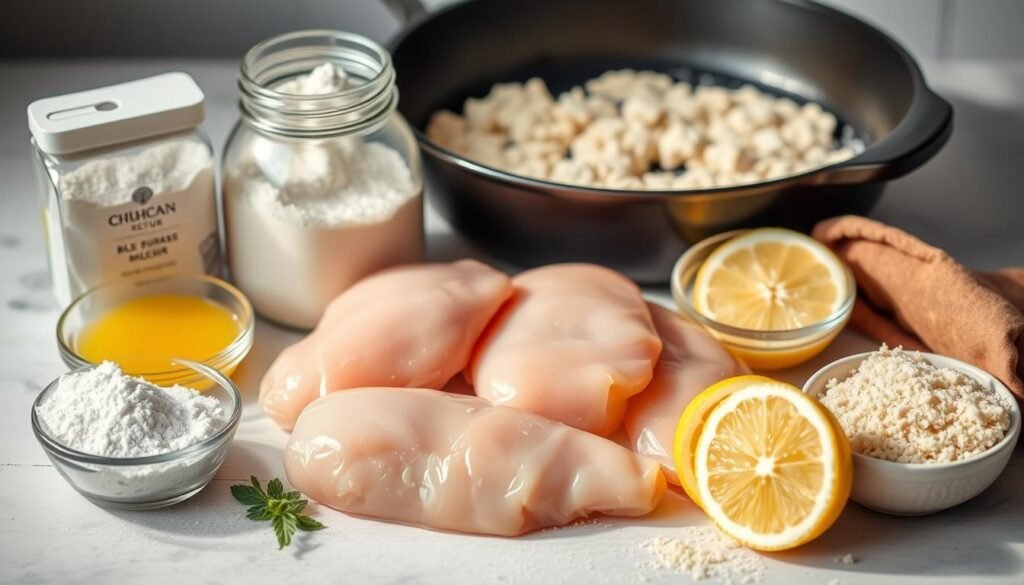
To make a great chicken Milanese, you need the right ingredients. These ingredients turn a simple dish into a masterpiece. The key is to pick high-quality items that enhance flavors and textures.
Start by choosing the best chicken for your Milanese. Use boneless, skinless chicken breasts. The quality of your chicken greatly affects the dish’s taste.
Primary Ingredients for Chicken Milanese
- Boneless skinless chicken breasts
- All-purpose flour
- Large eggs
- Panko breadcrumbs
- Vegetable or olive oil for frying
- Kosher salt
- Fresh ground black pepper
Recommended Ingredient Qualities
| Ingredient | Recommended Quality | Purpose |
|---|---|---|
| Chicken | Organic, fresh | Tender, flavorful base |
| Breadcrumbs | Panko style | Extra crispy coating |
| Eggs | Large, farm-fresh | Binding breading |
For a true chicken Milanese, fresh ingredients are key. Panko breadcrumbs give a light, crispy coating. This makes your dish stand out.
Pro tip: If you’re watching your diet, try gluten-free breadcrumbs or almond flour. They’re great for a low-carb chicken Milanese.
Preparing Your Chicken for Milanese Style
To make a real chicken milanese recipe, start with the right chicken prep. The right steps turn a simple chicken breast into a dish that wows your guests.
Start your chicken milanese recipe by picking the best chicken breasts. Learn the key prep techniques. Chefs say the right prep is key to a tasty meal.
Proper Chicken Butterflying Technique
Butterflying chicken needs care and a sharp knife. Here’s how to do it right:
- Use a thin, sharp knife
- Place the chicken breast flat on the cutting board
- Hold the knife parallel to the cutting surface
- Slice horizontally through the middle of the breast
- Open the chicken like a book
Pounding and Tenderizing Methods
| Technique | Benefits | Recommended Tool |
|---|---|---|
| Plastic Wrap Method | Prevents meat splatter | Meat mallet |
| Gentle Pounding | Ensures even thickness | Smooth side of mallet |
| Controlled Pressure | Prevents tearing | Rolling pin |
Seasoning the Meat
Seasoning is key in your chicken Milanese recipe. Salt and pepper are basics, but try herbs like:
- Dried oregano
- Garlic powder
- Fresh parsley
- Basil
By using these prep methods, you’ll make a chicken Milanese that’s as good as any Italian restaurant’s.
The Art of Breading Chicken Milanese
Learning how to bread chicken Milanese is key. It turns simple chicken into a crispy, golden dish that wows everyone. This is a must-know skill for any home cook.
To start your chicken Milanese, you need flour, beaten eggs, and breadcrumbs. The trick is to get a light, even coat for the best crunch.
- Flour helps the egg stick to the chicken
- Eggs make a sticky layer for breadcrumbs
- Breadcrumbs give the final crispy touch
“Breading is an art that requires patience and technique” – Italian Cooking Masters
Here’s how to make the tastiest chicken milanese:
- Pat the chicken dry with paper towels
- Lightly dust with seasoned flour
- Dip into whisked eggs
- Coat well with panko breadcrumbs
| Breading Stage | Purpose | Key Tip |
|---|---|---|
| Flour | Use a light, even coating | Use light, even coating |
| Egg Wash | Bind breadcrumbs | Shake off excess |
| Breadcrumbs | Add crispy texture | Press gently to adhere |
Pro tip: For extra flavor, mix grated Parmesan or dried herbs into your breadcrumbs. It’s a great way to make your chicken milanese recipe your own.
Perfect Pan-Frying Techniques
Mastering pan-frying is key to a tasty chicken milanese. The right method turns your chicken into a crispy masterpiece, just like in classic Italian dishes.
To make perfect chicken milanese, you need to be precise. You want a golden-brown crust that’s crispy but the meat inside to stay juicy.
Oil Temperature Control
Keeping the oil at the right temperature is crucial. Use a heavy skillet and heat it carefully for even cooking.
- Choose a neutral oil with a high smoke point
- Heat oil to 350-375°F
- Use a kitchen thermometer for accuracy
Cooking Time Guidelines
| Chicken Thickness | Cooking Time | Result |
|---|---|---|
| 1/4 inch | 3-4 minutes per side | Golden and crispy |
| 1/2 inch | 4-5 minutes per side | Fully cooked, crisp exterior |
Achieving Golden-Brown Perfection
For the ultimate chicken milanese, follow these tips:
- Don’t overcrowd the pan
- Flip only once during cooking
- Let excess oil drain on paper towels
Pro tip: The perfect chicken milanese should have a crispy, light golden-brown crust that crackles when you cut into it.
Fresh Arugula and Cherry Tomato Salad Pairing
Your chicken Milanese needs a perfect match, and a fresh arugula salad is just that. The peppery arugula adds a light, refreshing touch to the crispy chicken. This makes your salad a true culinary masterpiece.
To make a great salad, focus on fresh ingredients and balanced flavors. Here are the key parts for an amazing chicken Milanese salad:
- Fresh arugula leaves
- Ripe cherry tomatoes
- Extra virgin olive oil
- Aged balsamic vinegar
- Shaved Parmesan cheese
The dressing is key to combining the chicken and arugula. A simple vinaigrette with olive oil, balsamic vinegar, salt, and pepper will make your salad stand out.
| Ingredient | Quantity | Purpose |
|---|---|---|
| Arugula | 2 cups | Base of salad |
| Cherry Tomatoes | 1 cup | Fresh burst of flavor |
| Balsamic Vinegar | 2 tbsp | Tangy dressing |
Pro tip: Dress your salad just before serving to keep the arugula crisp. The salad’s bright, acidic taste will balance the richness of your Chicken Milanese, making for a perfect dish.
Serving and Presentation Tips
Making a stunning chicken milanese salad is more than just cooking. The way you present it can turn a simple dish into a feast for the eyes and taste buds.
Elegant Plating Techniques
- Place the golden-brown chicken as the centerpiece of the plate
- Generously top the chicken with fresh chicken and arugula salad
- Angle the chicken slightly for visual interest
- Sprinkle fresh herbs around the edge for a pop of color
Garnish and Finishing Touches
The right garnish can make your chicken milanese salad unforgettable. Try these:
- Fresh lemon wedges for a bright, citrusy accent
- Shaved Parmesan cheese
- Cracked black pepper
- Microgreens for an elegant touch
Complementary Side Dishes
Choose sides that match the crispy chicken and fresh arugula:
- Roasted rosemary potatoes
- Light orzo pasta salad
- Grilled seasonal vegetables
- Crusty Italian bread
“The beauty of chicken milanese lies not just in its taste, but in its presentation.” – Chef Mario Batali
The secret to a great chicken milanese salad is balance. You want it to look as good as it tastes, making every bite a delight.
Storage and Reheating Guidelines
Your delicious chicken milanese recipe needs the right care after cooking. Storing and reheating this crispy Italian dish requires attention. This helps keep its amazing texture and flavor.
Here are the key steps for storing your chicken milanese:
- Cool the chicken completely before storing
- Use an airtight container for refrigeration
- Separate crispy chicken from salad to prevent sogginess
- Refrigerate within 2 hours of cooking
Refrigerated chicken milanese stays fresh for up to 3 days. To keep its crispy coating, avoid the microwave. It can make your cutlet soggy.
Reheating your chicken milanese needs a special approach:
- Remove chicken from refrigerator 15 minutes before reheating
- Heat a small amount of oil in a skillet
- Warm the chicken over medium heat for 2-3 minutes per side
- Ensure internal temperature reaches 165°F for food safety
Pro tip: Enjoy your chicken milanese fresh if you can. Reheated chicken might not be as crispy. But these steps help keep it close to the original texture.
Conclusion
Making the perfect chicken milanese recipe is all about finding the right mix of skill and tradition. Start by picking top-notch ingredients. Then, use the real Italian cooking ways to turn a simple chicken cutlet into a dish fit for a restaurant.
Chicken milanese is more than just breaded chicken. It’s a feast for your senses, celebrating texture, taste, and cultural roots. By learning to butterfly, pound, and bread the chicken, you’ll get a crispy outside and a soft inside.
Practice is key to mastering this classic Italian dish. Each time you make chicken Milanese, you’ll get better and appreciate the cooking techniques more. Feel free to try new seasonings or sides to make it your own.
Your homemade chicken milanese can be just as good as any restaurant’s. Focus on being precise, patient, and passionate. This way, you’ll turn a simple meal into a special experience that connects you to Italy’s rich food traditions.
FAQ
What exactly is Chicken Milanese?
How is Chicken Milanese different from Chicken Parmesan?
What type of chicken should I use for Chicken Milanese?
Can I make Chicken Milanese gluten-free?
What oil is best for frying Chicken Milanese?
How do I keep the breading from falling off while cooking?
What salad typically accompanies Chicken Milanese?
How long can I store leftover Chicken Milanese?
Can I prepare Chicken Milanese in advance?
Are there any variations of Chicken Milanese?
Have you tried our recipes?
There are no reviews yet. Be the first one to write one.